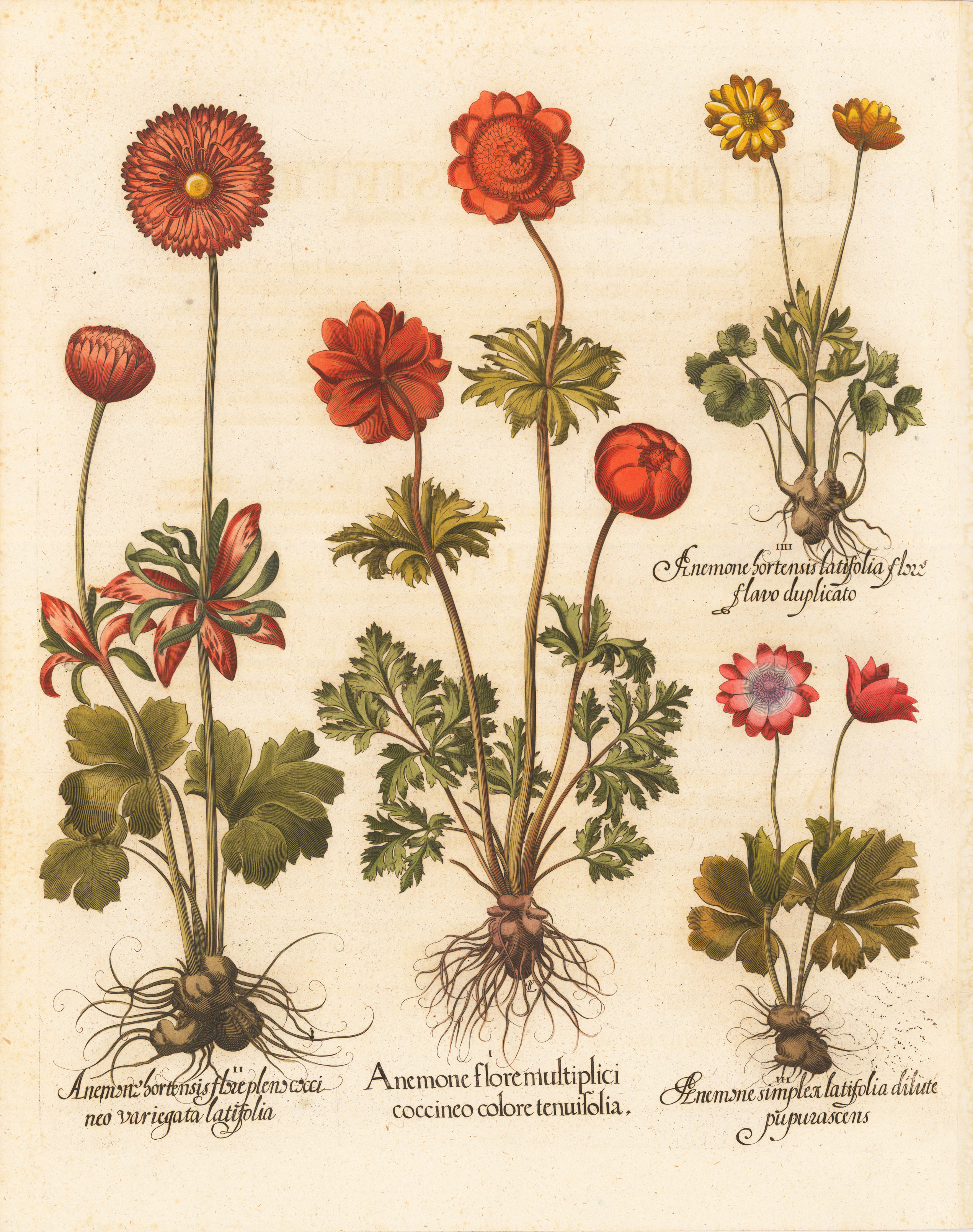
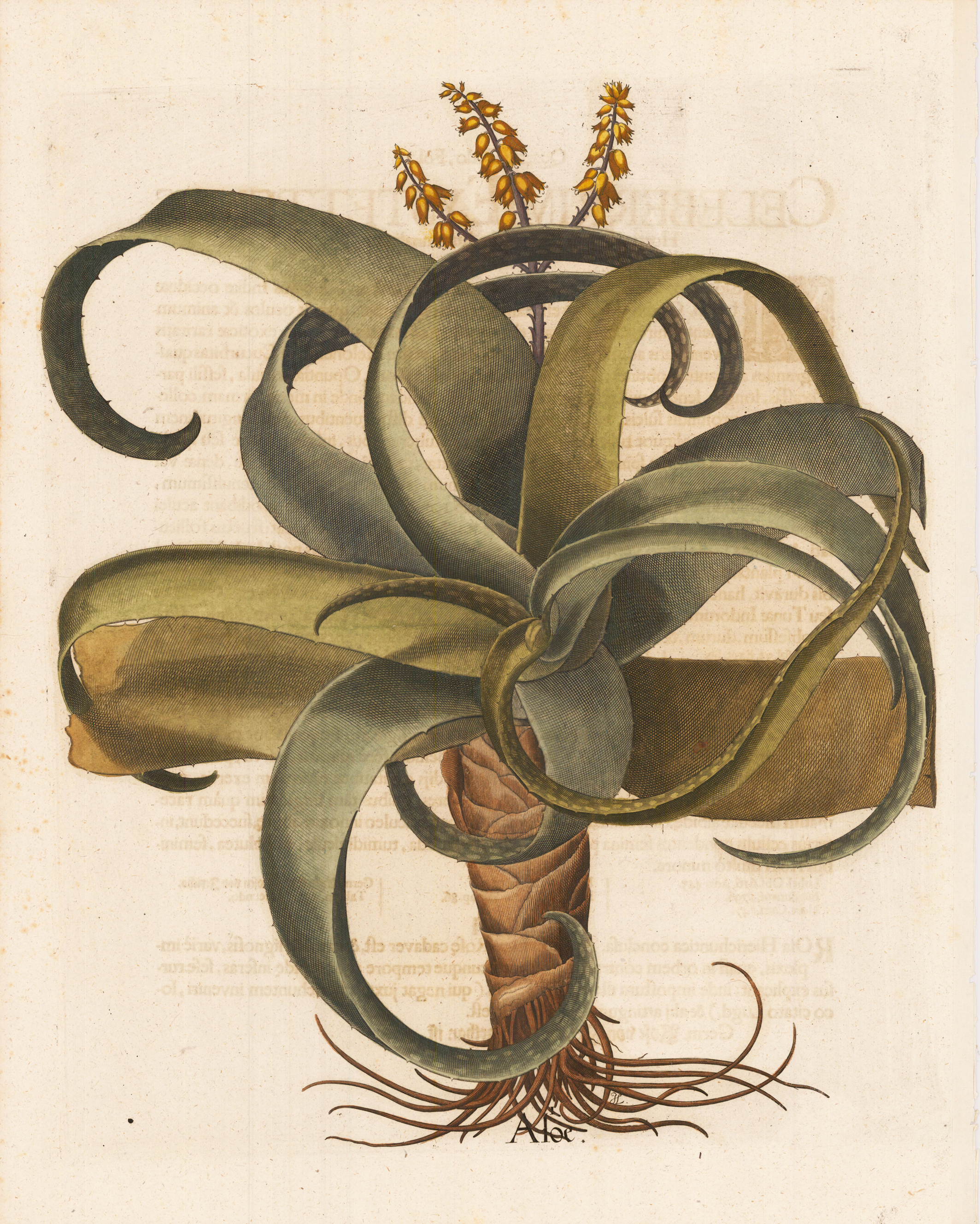
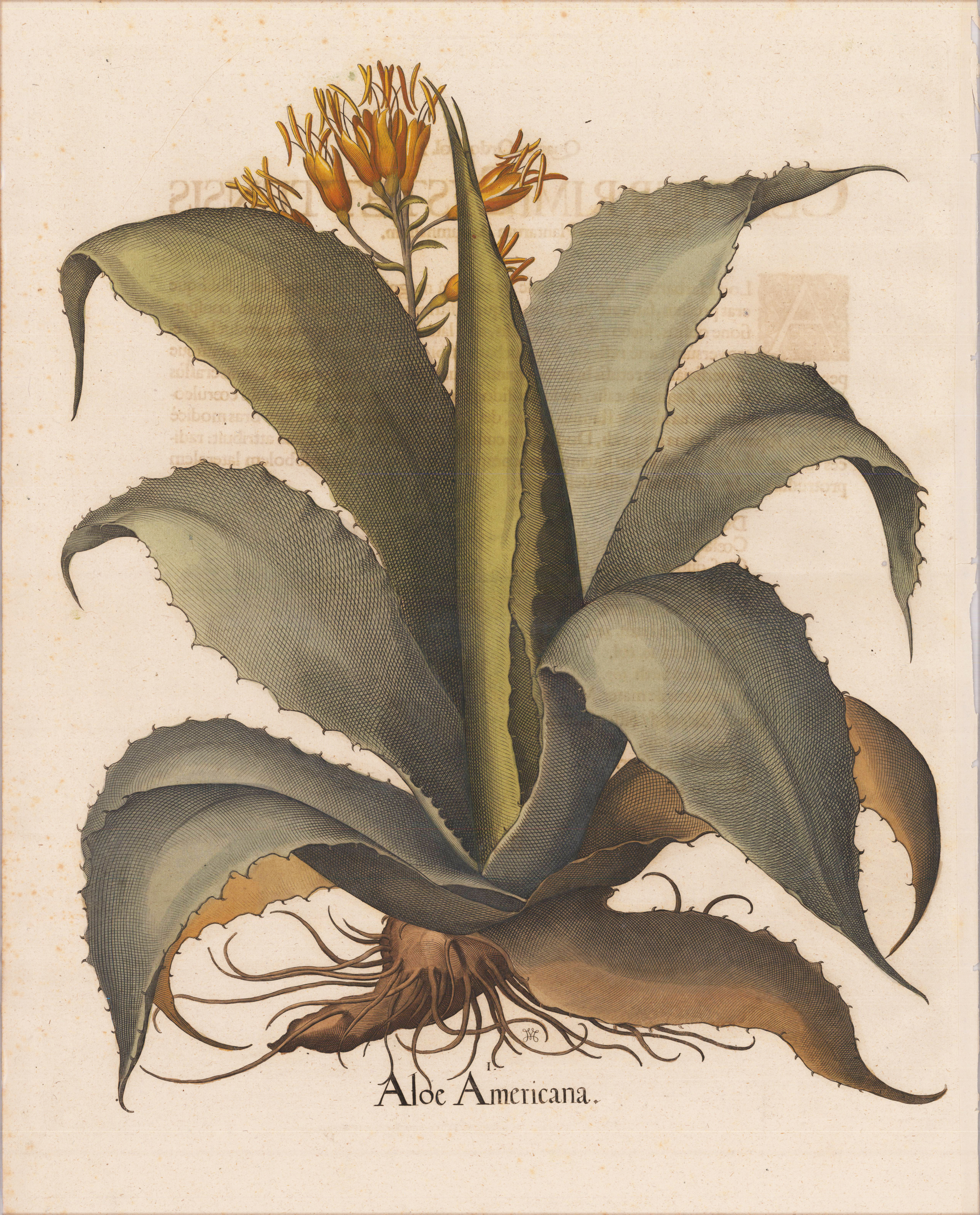
Original antique copper engraving. Basilius Besler (1561–1629) was a respected Nuremberg apothecary and botanist, best known for his monumental Hortus Eystettensis. He was curator of the garden of Johann Konrad von Gemmingen, prince bishop of Eichstätt in Bavaria. The bishop was an enthusiastic botanist who derived great pleasure from his garden, which rivaled Hortus Botanicus Leiden among early European botanical gardens outside Italy. The gardens surrounded the bishop's palace, Willibaldsburg, which was built on a hill overlooking the town. These gardens had been started in 1596 and designed by Besler's colleague, Joachim Camerarius the Younger (1534–1598), a physician and botanist. Upon Camerarius' death in 1598, Besler had the remainder of Camerarius' plants moved to Eichstätt and carried on the work of planting and supervision. The bishop commissioned Besler to compile a codex of the plants growing in his garden, a task which Besler took sixteen years to complete, the bishop dying shortly before the work was published. The gardens were sacked by invading Swedish troops under Herzog Bernhard von Weimar in 1633-4; following Hortus Eystettensis they have been reconstructed and opened to the public in 1998. (Wikipedia)
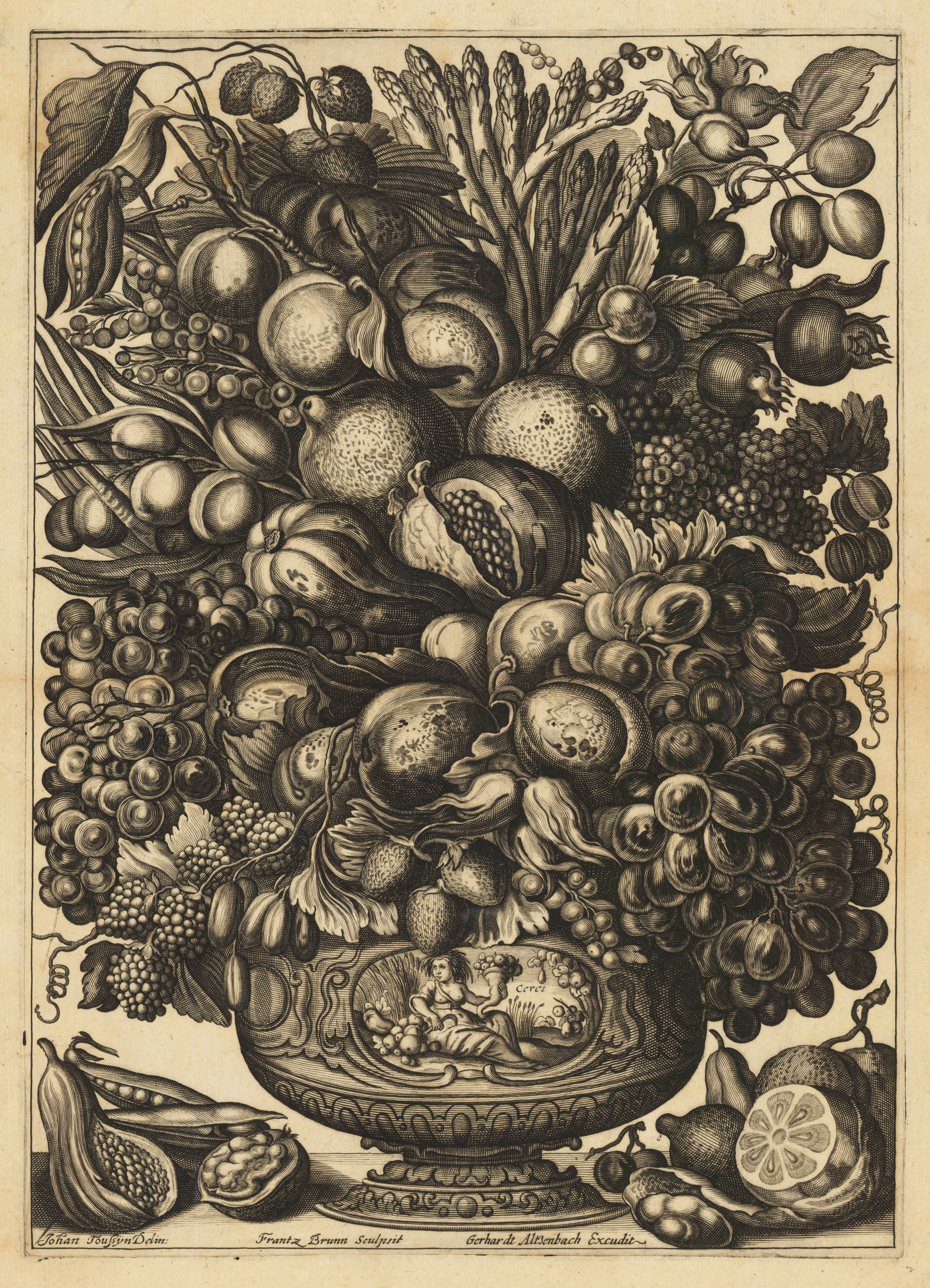
Original antique copper engraving, uncolored published. This fine decorative antique engraving shows a bunch of fruits with grapes, strawberries, pomegranates, raspberries, gooseberries, asparagus, blueberries, lemons, currants and many more fruits in a bowl.
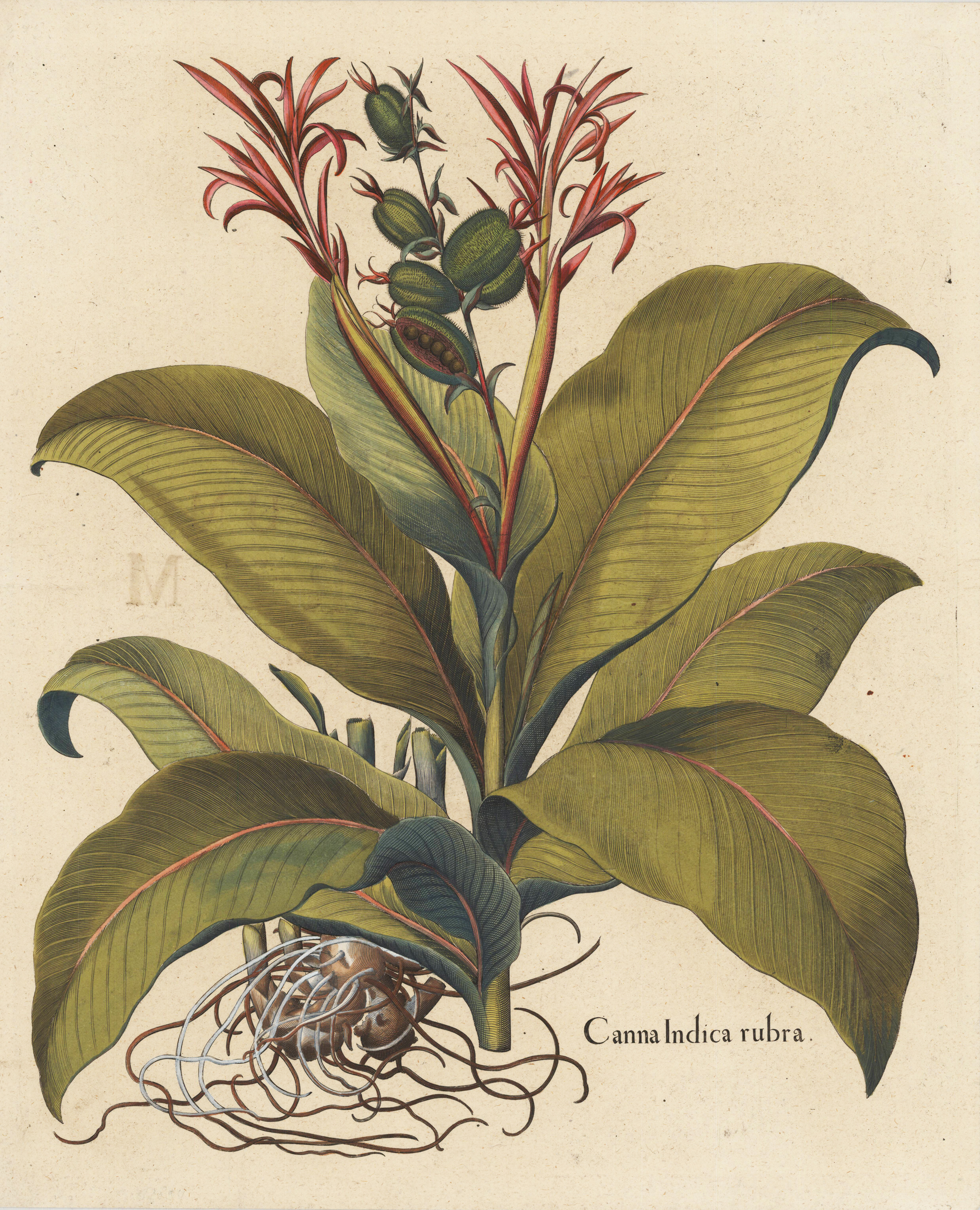
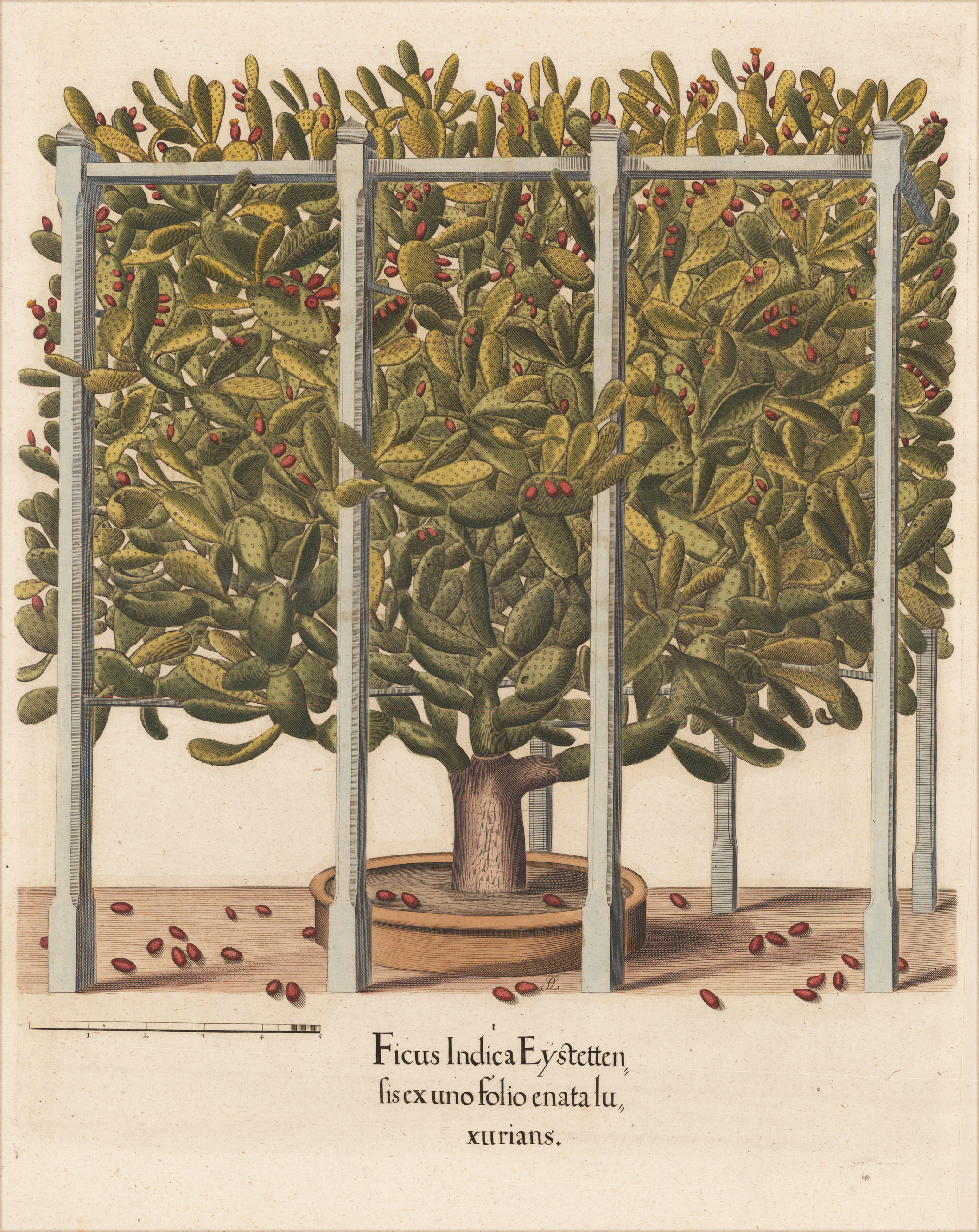
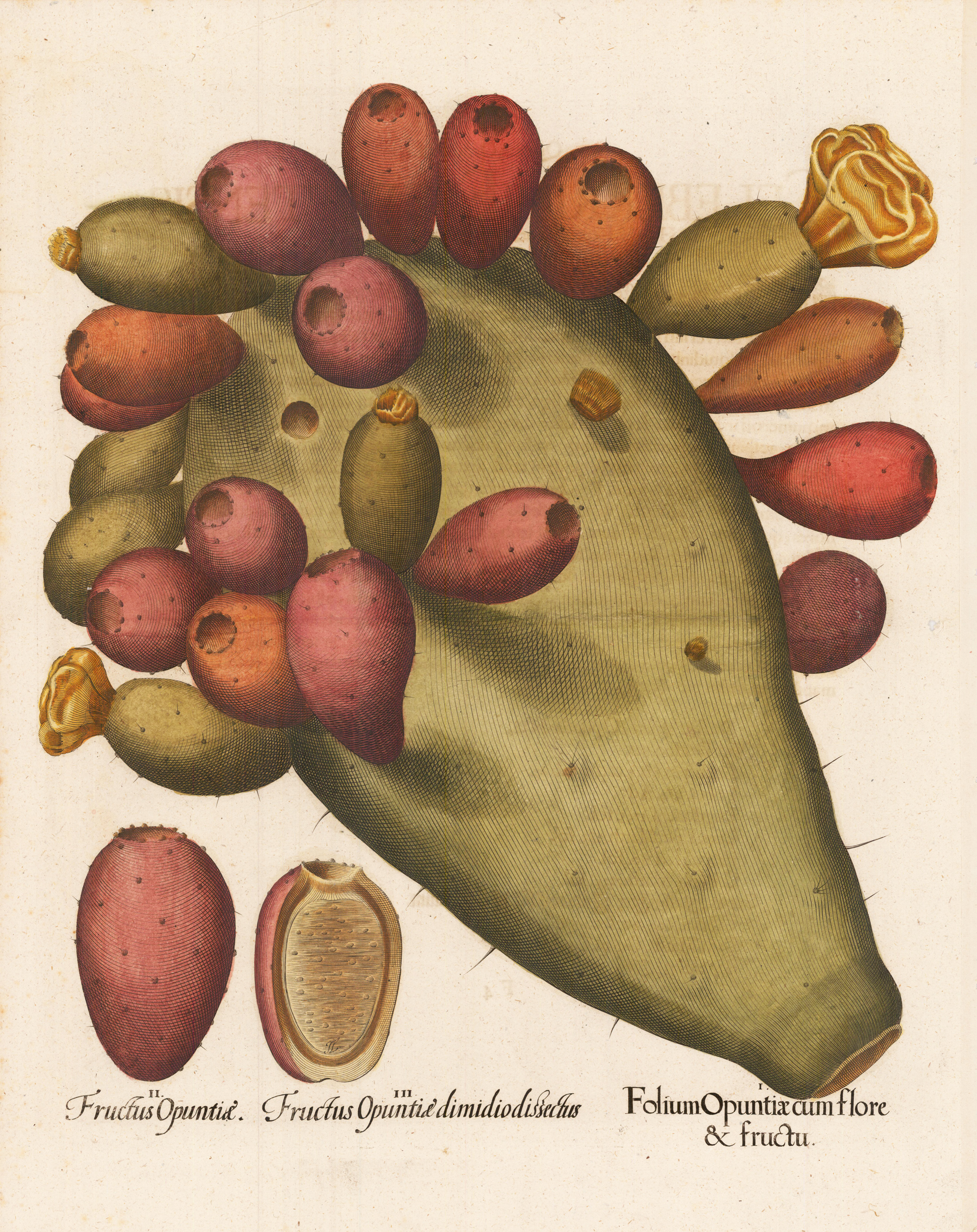
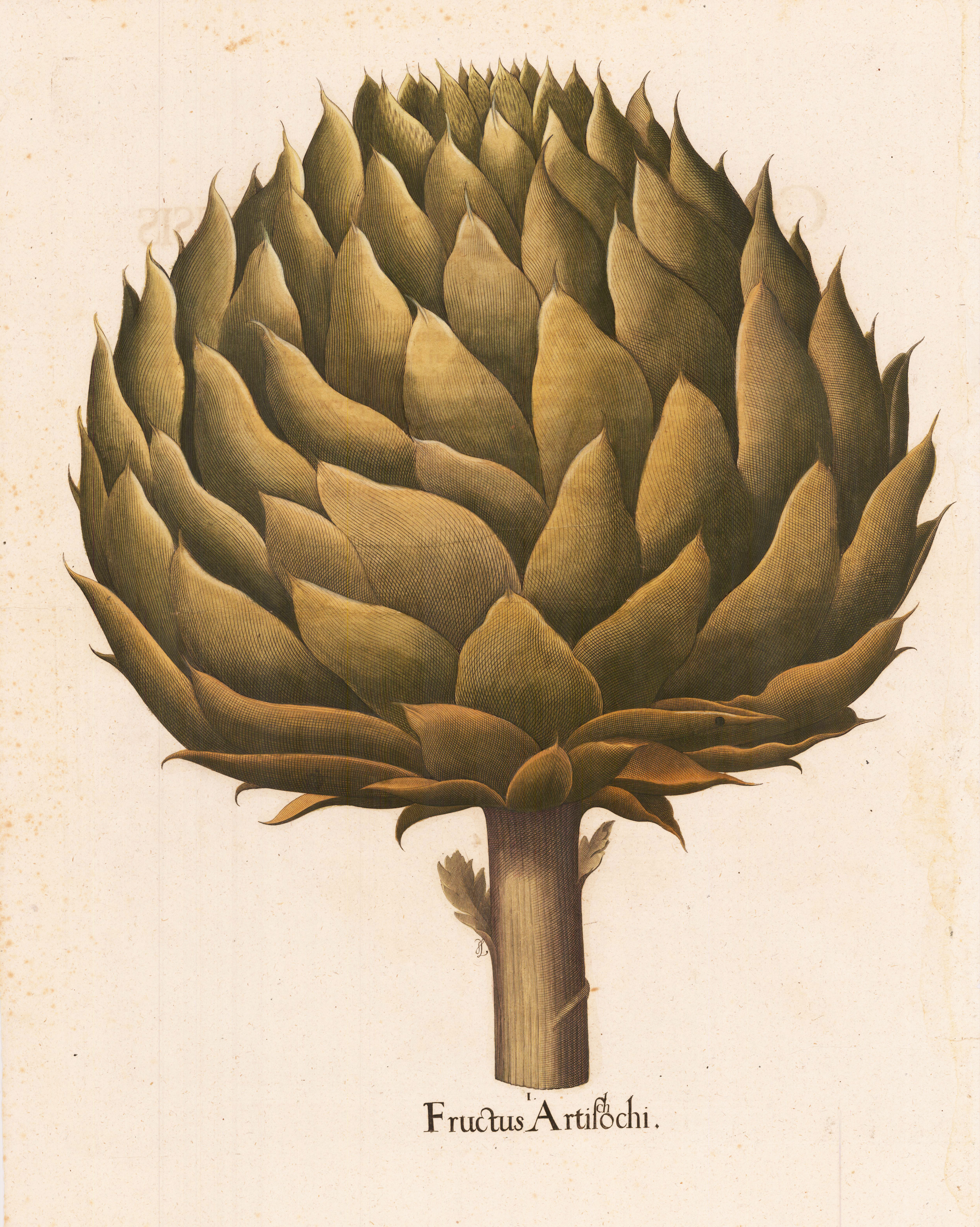
Original copper engraving. A fine hand colored copper engraving published in the famous large flower book ,Hortus Eystettensis' in Altdorf and Nürnberg first around 1613. The ,Hortus Eystettensis' was the largest flowerbook ever published in that period. It contained 367 different engraved plates, each of them depicting often with several flowers or herbs. This fine engraving is published in the so-called ,jubilee edition' 1713 in Eichstätt and Nürnberg.
Original copper engraving. A fine copper engraving published in the famous large flower book,Hortus Eystettensis' in Altdorf and Nürnberg first around 1613. The,Hortus Eystettensis' was the largest flowerbook ever published in that period. It contained 367 different engraved plates, each of them depicting often with several flowers or herbs. This fine engraving was published in the so-called,jubilee edition' 1713 in Eichstätt and Nürnberg.
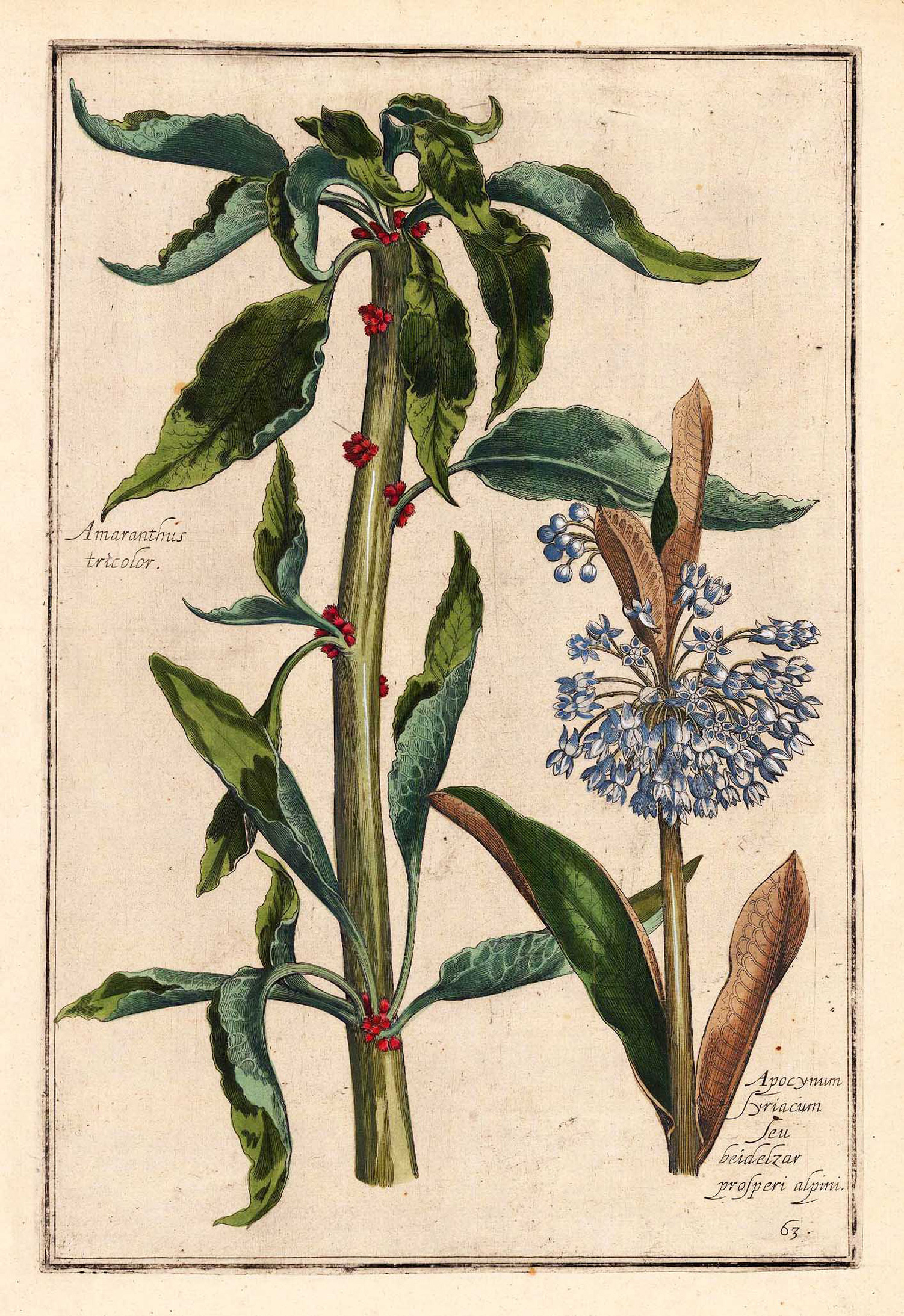
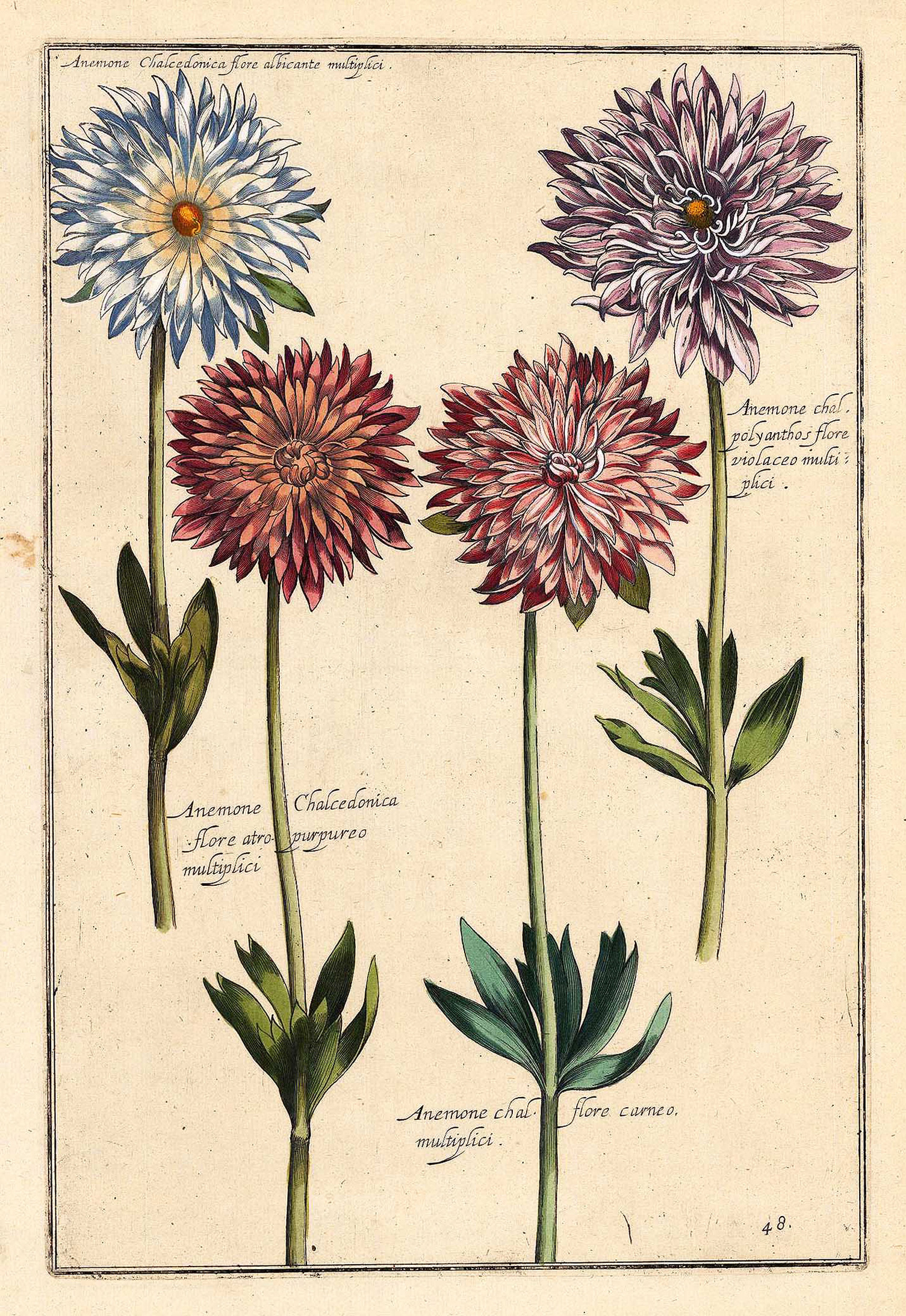
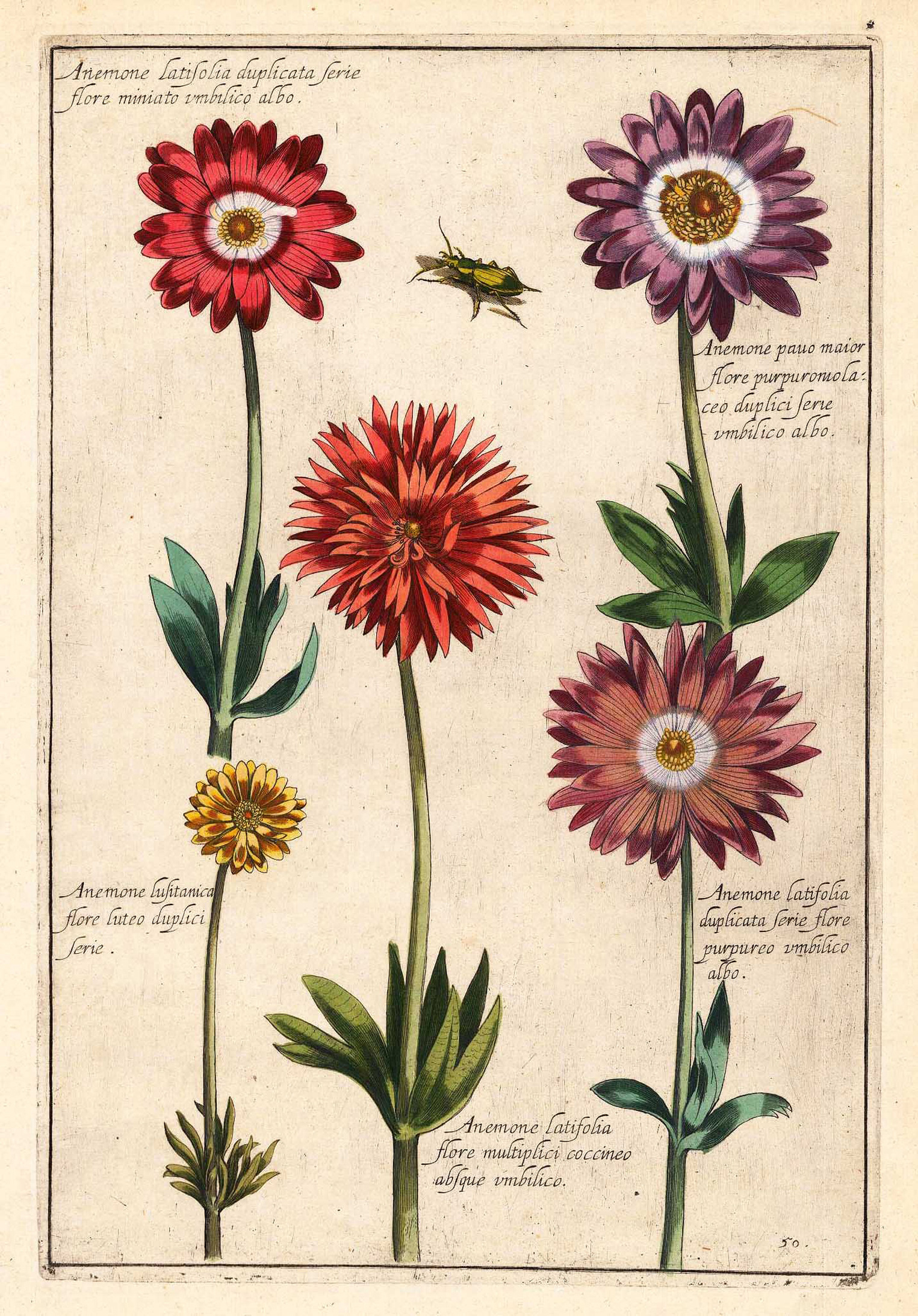
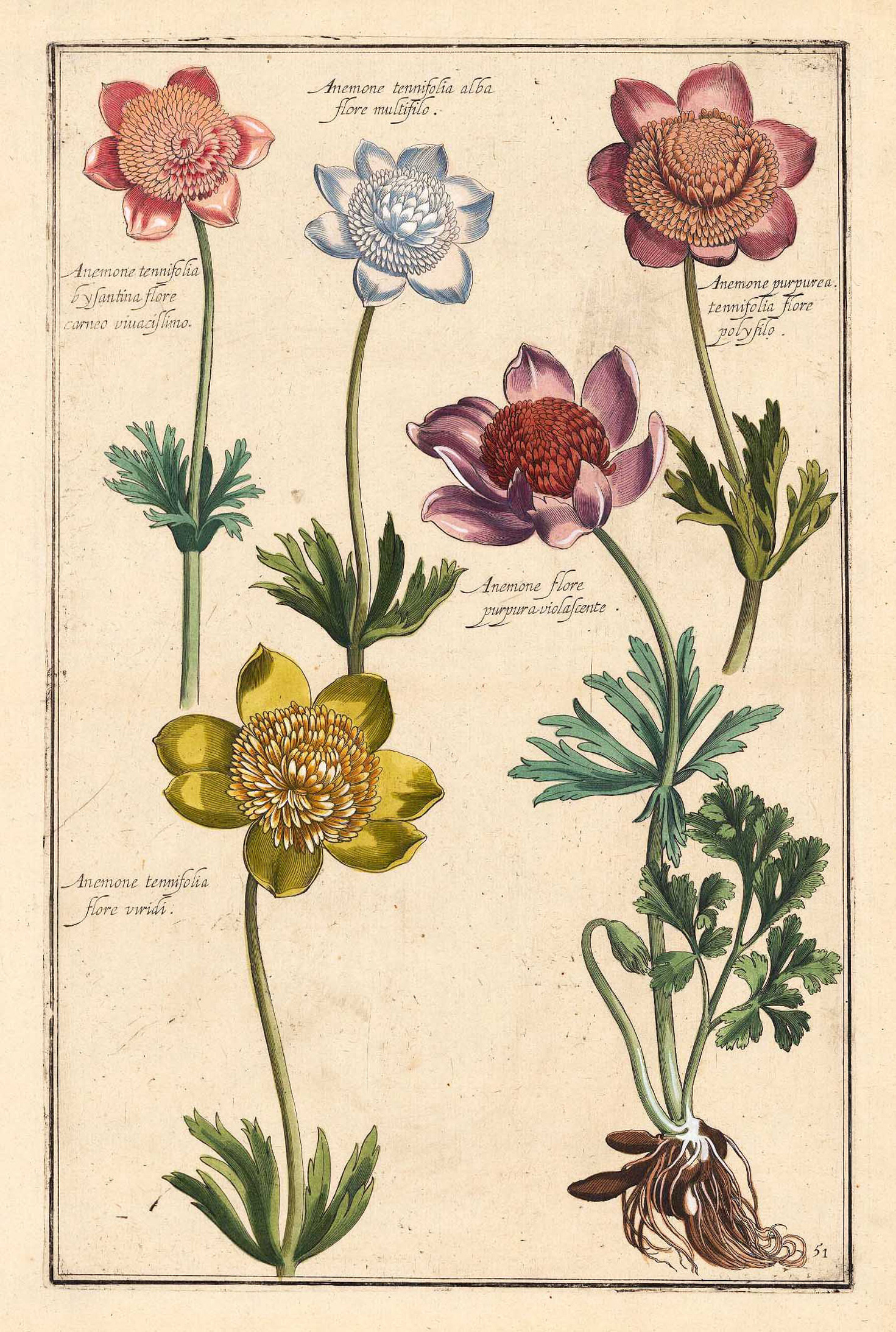
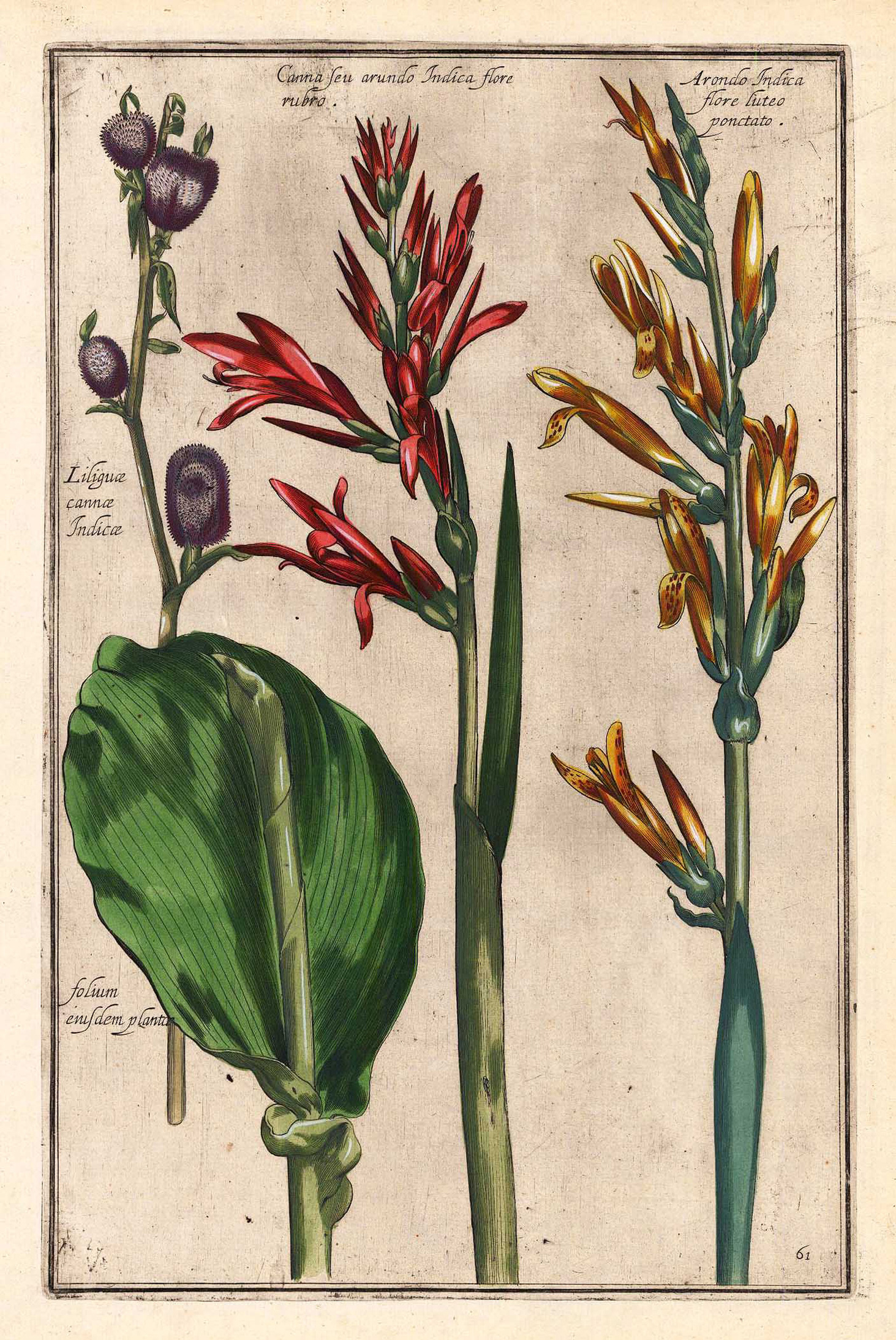
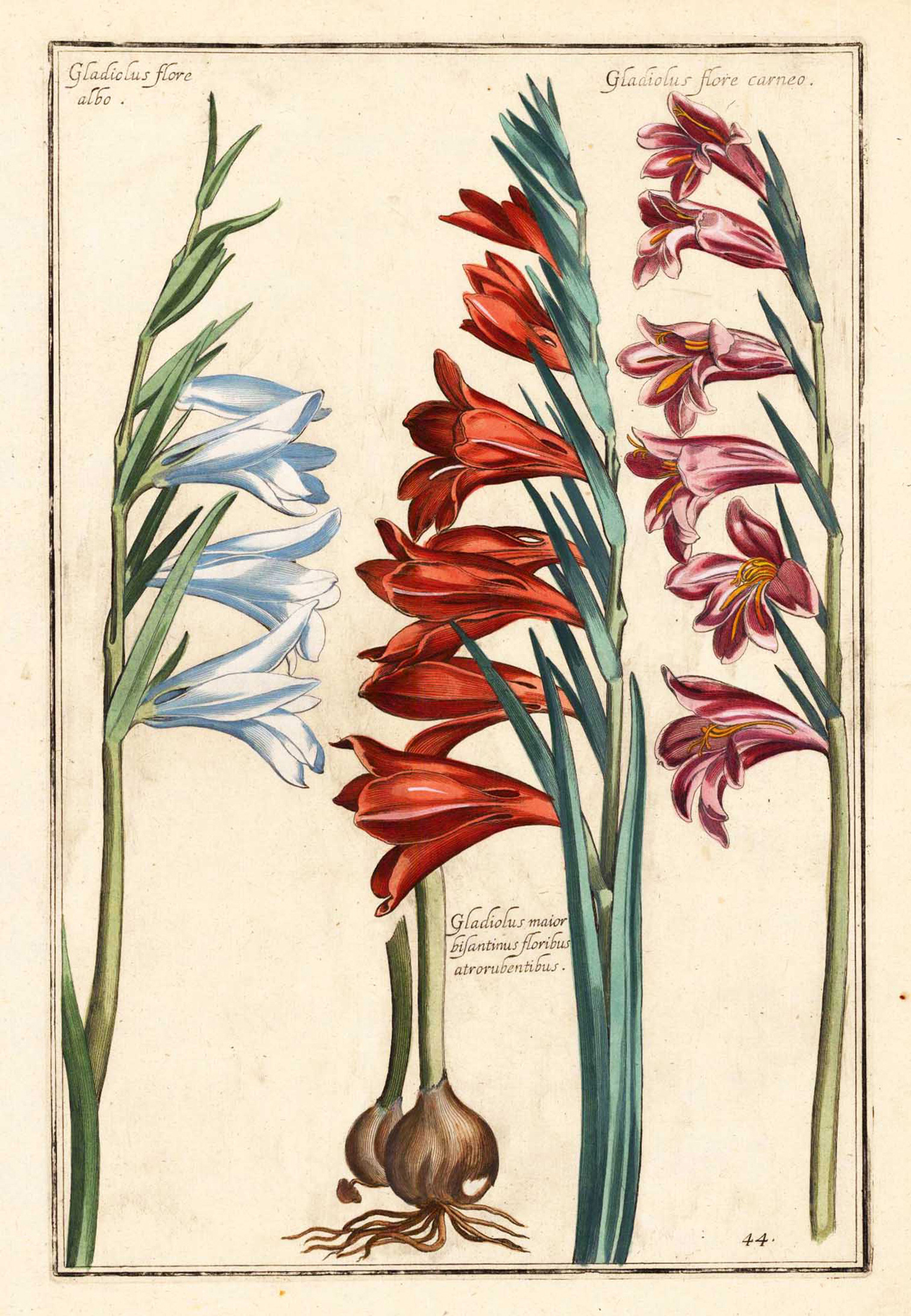
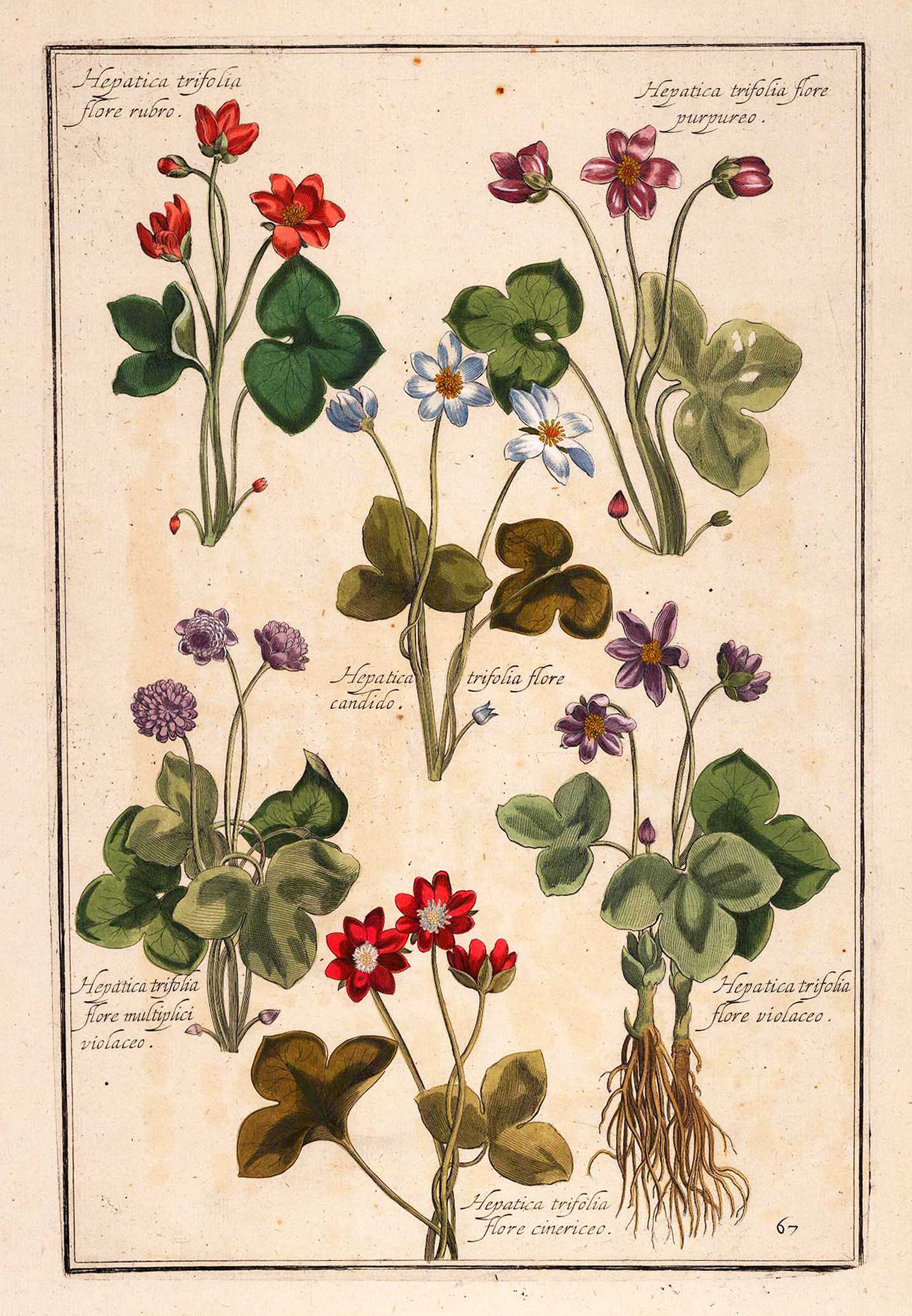
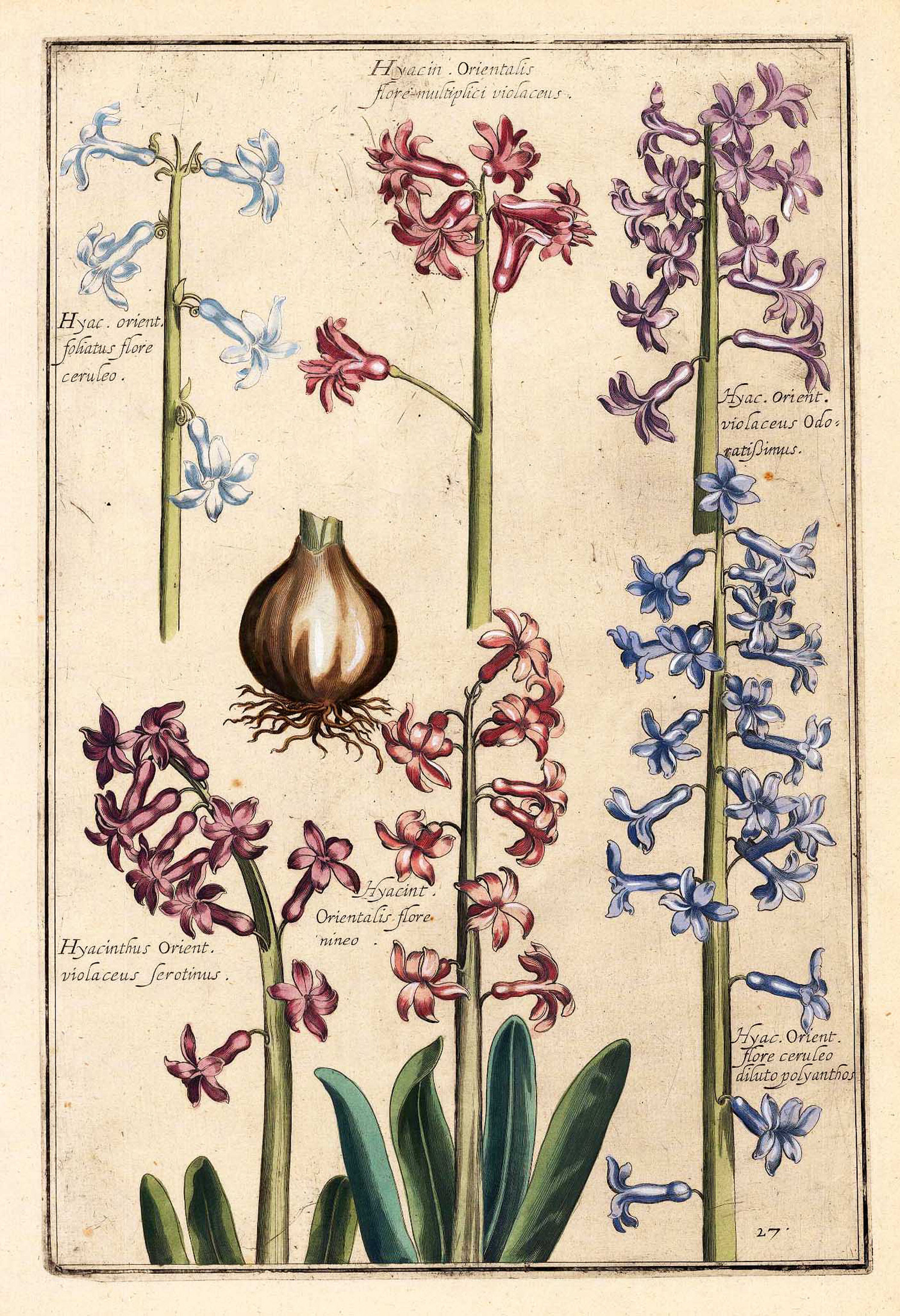
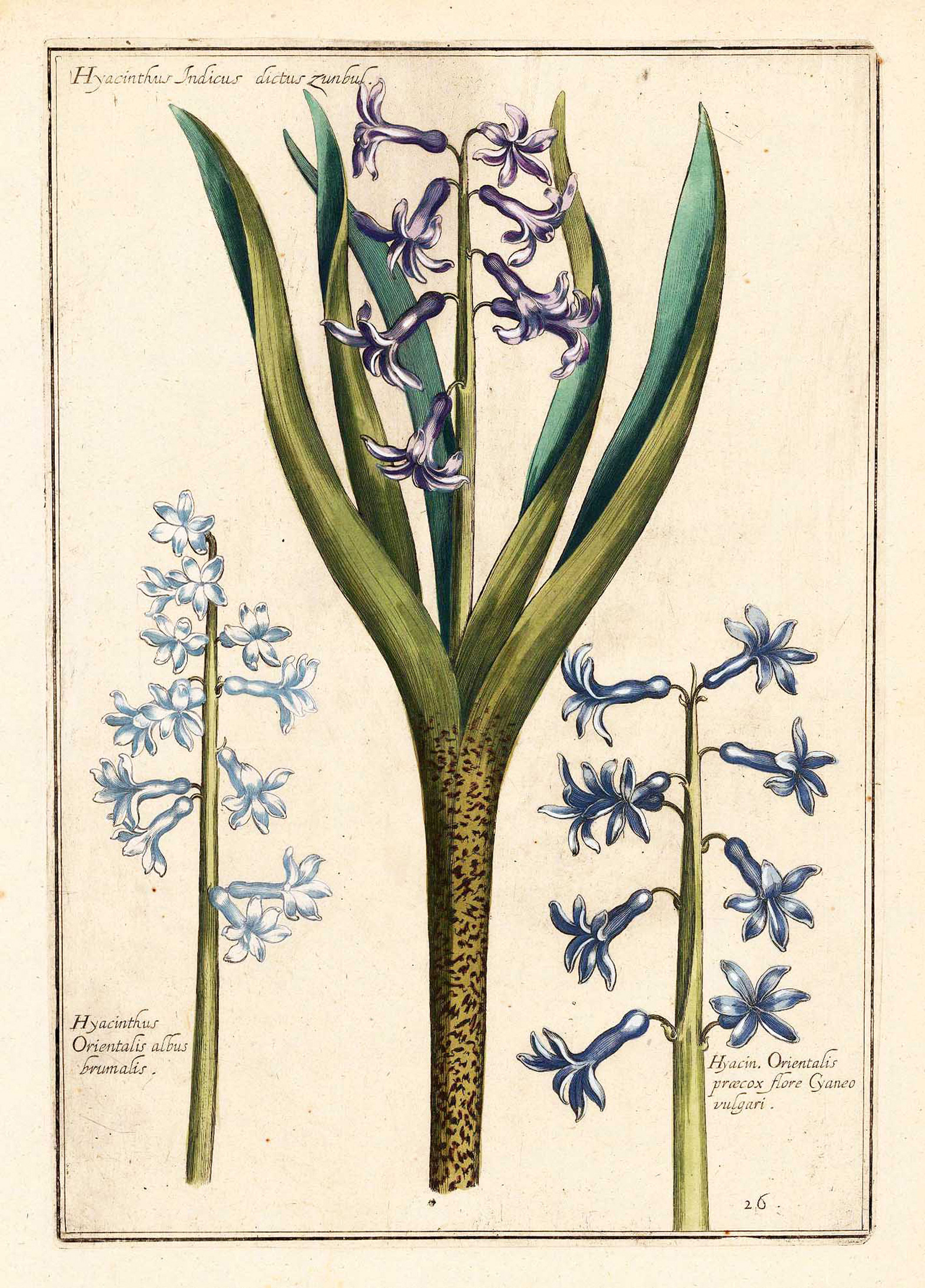
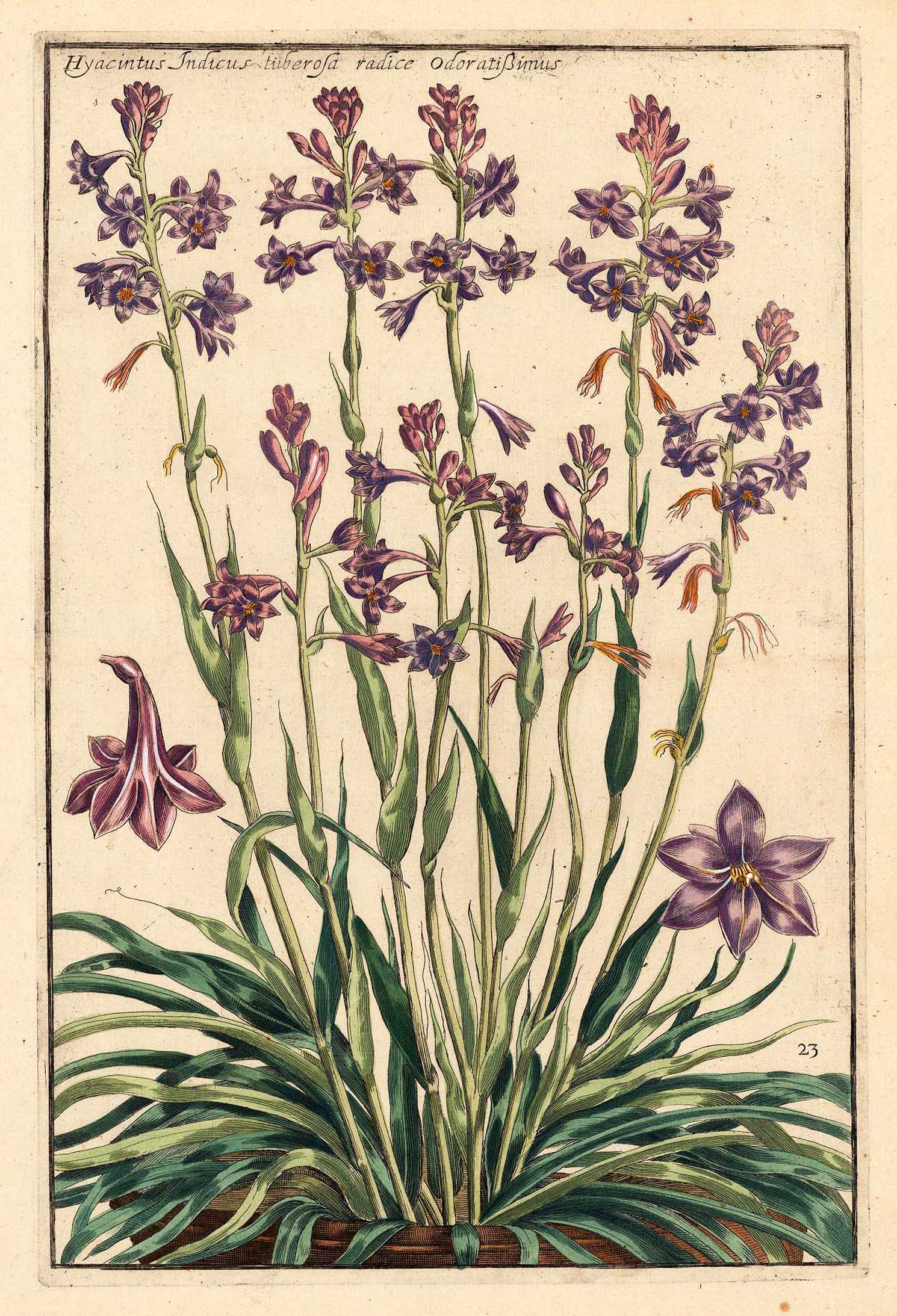
Copper engraving, later hand colored. Hand colored copper engraving, published in Paris ca. 1623-27 in the famous flower book 'Theatrum Florae'. Daniel Rabel's flower book is one of the most beautiful sets of engravings of flowers ever published. Some of these fine engraved flower prints are additional ornated with various butterflies and insects. The style of the engraving is very similar to the 'de Bry' flower plates, although Rabel's works is occasionally found to be bound to the works by Maria Sybilla Merian. The flower prints by Daniel Rabel can be regarded as one of the most beautiful and decorative sets of large engravings of flowers ever produced in that period.
Copper engraving, later hand colored. Hand colored copper engraving, published in Paris ca. 1623-27 in the famous flower book 'Theatrum Florae'. Daniel Rabel's flower book is one of the most beautiful sets of engravings of flowers ever published. Some of these fine engraved flower prints are additional ornated with various butterflies and insects. The style of the engraving is very similar to the 'de Bry' flower plates, although Rabel's works is occasionally found to be bound to the works by Maria Sybilla Merian. The flower prints by Daniel Rabel can be regarded as one of the most beautiful and decorative sets of large engravings of flowers ever produced in that period.
Copper engraving, later hand colored. Hand colored copper engraving, published in Paris ca. 1623-27 in the famous flower book 'Theatrum Florae'. Daniel Rabel's flower book is one of the most beautiful sets of engravings of flowers ever published. Some of these fine engraved flower prints are additional ornated with various butterflies and insects. The style of the engraving is very similar to the 'de Bry' flower plates, although Rabel's works is occasionally found to be bound to the works by Maria Sybilla Merian. The flower prints by Daniel Rabel can be regarded as one of the most beautiful and decorative sets of large engravings of flowers ever produced in that period.
Copper engraving, later hand colored. Hand colored copper engraving, published in Paris ca. 1623-27 in the famous flower book 'Theatrum Florae'. Daniel Rabel's flower book is one of the most beautiful sets of engravings of flowers ever published. Some of these fine engraved flower prints are additional ornated with various butterflies and insects. The style of the engraving is very similar to the 'de Bry' flower plates, although Rabel's works is occasionally found to be bound to the works by Maria Sybilla Merian. The flower prints by Daniel Rabel can be regarded as one of the most beautiful and decorative sets of large engravings of flowers ever produced in that period.
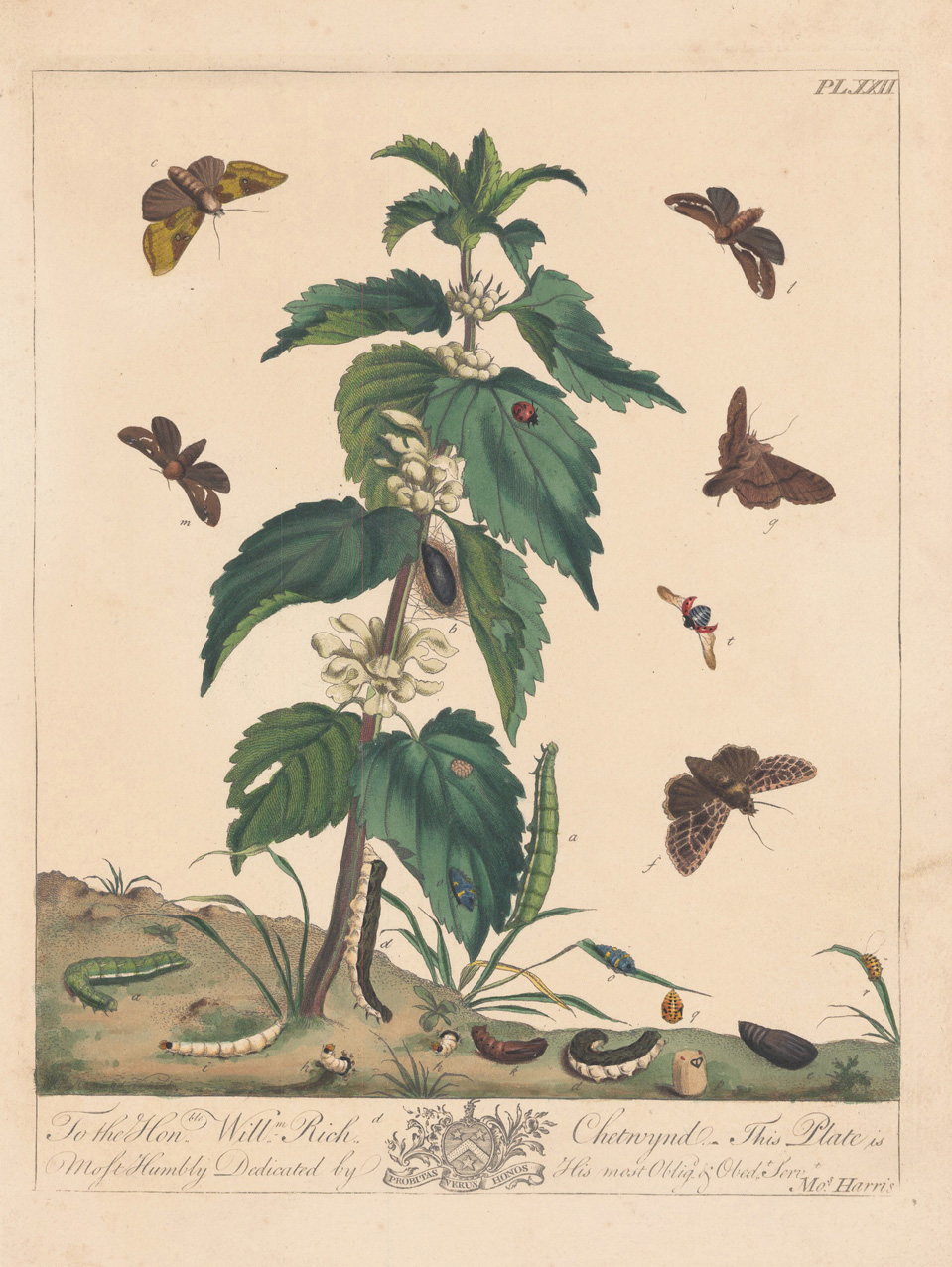
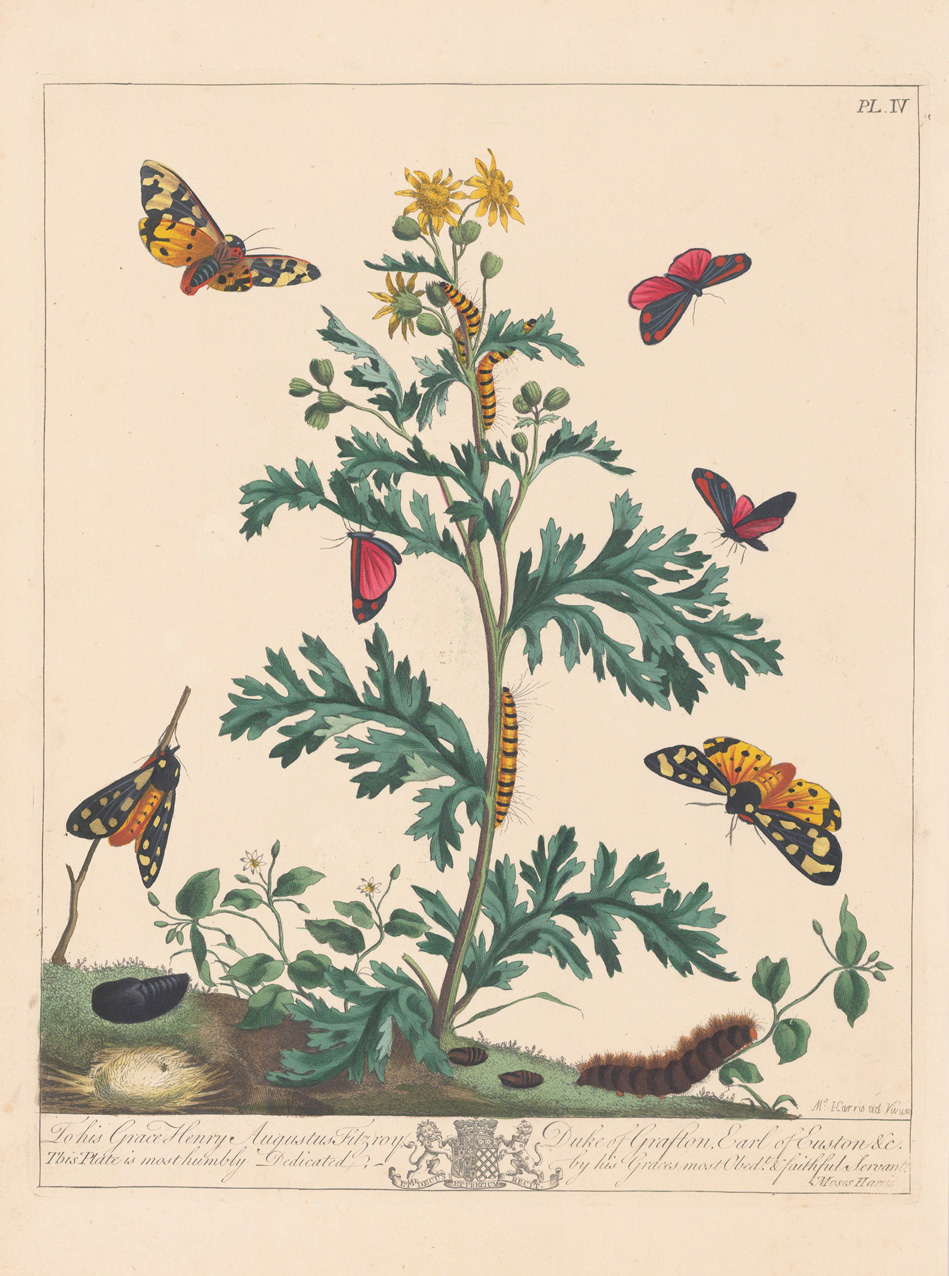
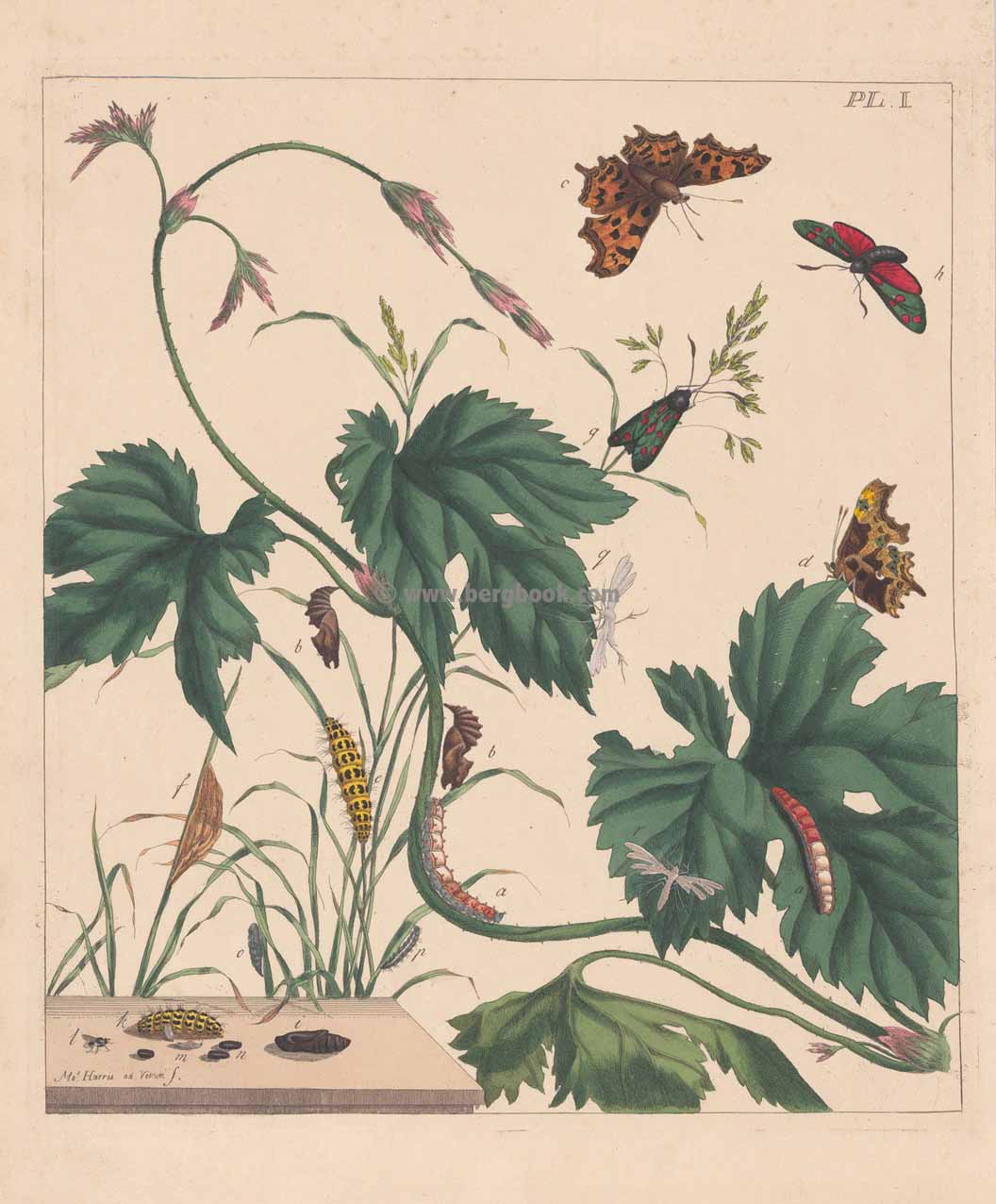
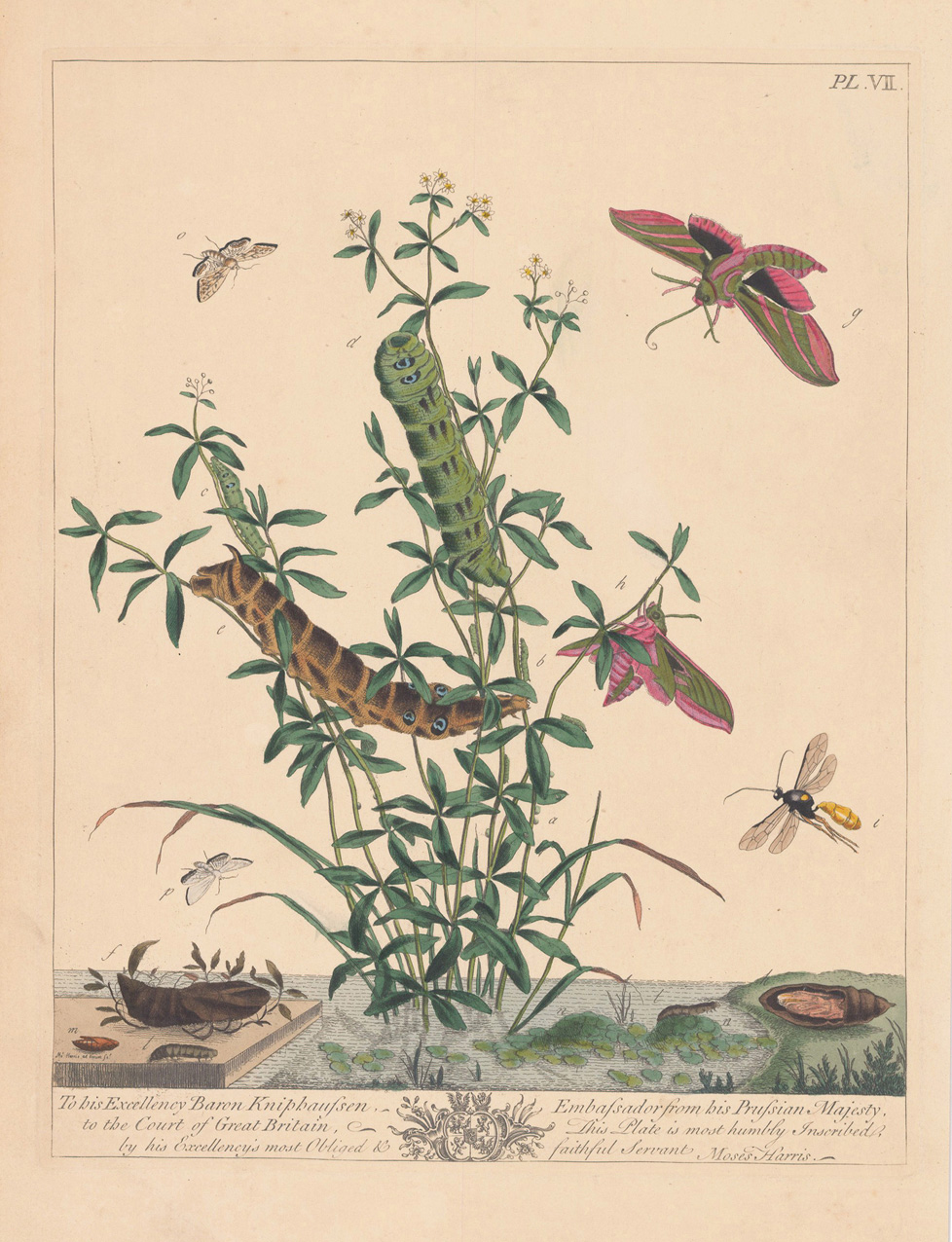
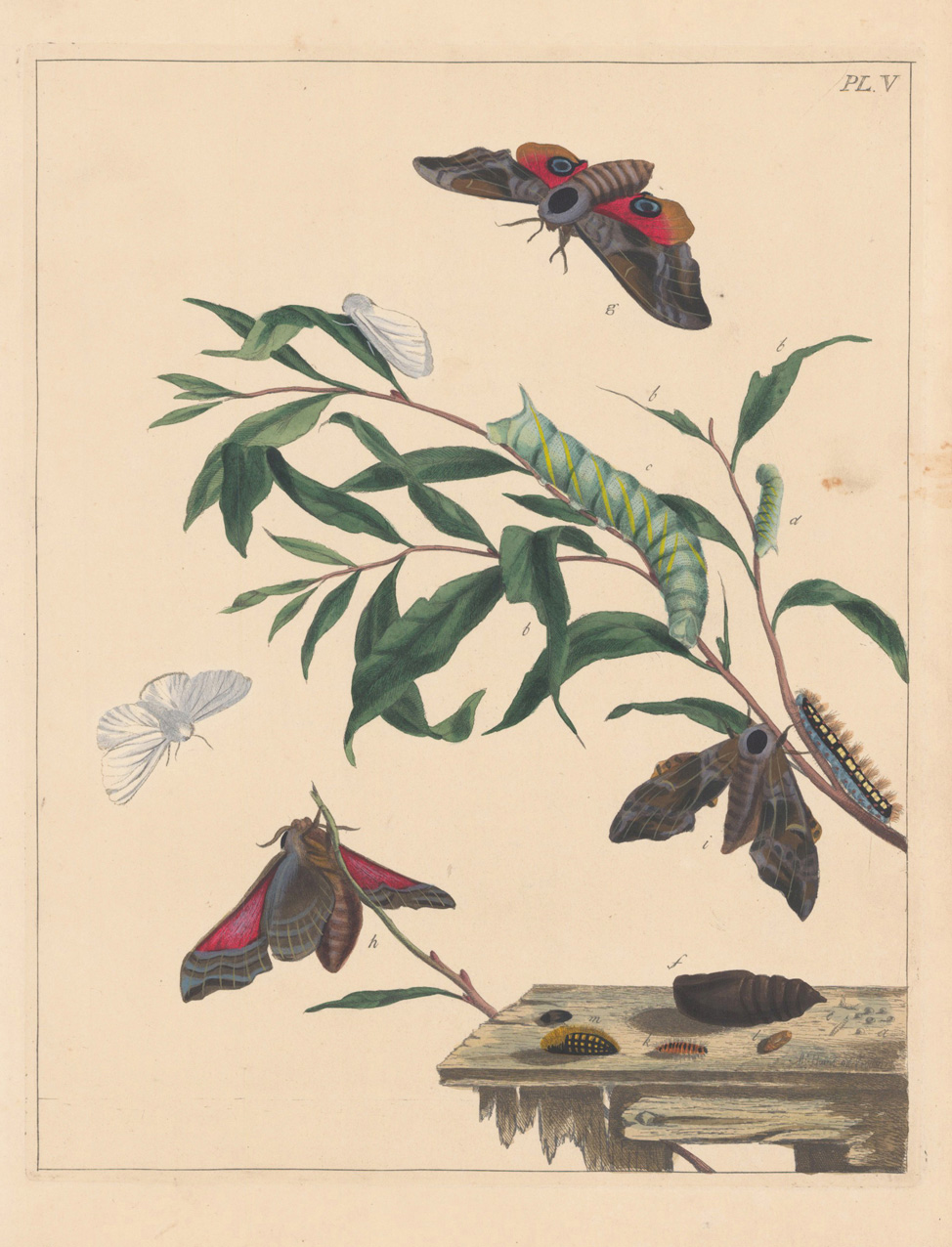
Original copper engraving, finely hand colored when published. Fine hand colored copper engraving published in Moses Harris ,Aurelian', London at Henry G. Bohn 1840. The Bohn edition is well known for its fine coloring and its excellent paper quality. „Harris was encouraged in entomology from a young age by his uncle, a member of the Society of the Aurelians. In 1762 he became secretary of a second Society of Aurelians. He was a skilled artist, displaying some of his insect drawings at the Royal Academy in 1785. He drew and engraved illustrations for books including Dru Drury's Illustrations of Natural History (3 volumes, 1770–1782) and John Coakley Lettsom's The Naturalist's and Traveller's Companion (1772)." (Wikipedia)
Copper engraving, later hand colored. Hand colored copper engraving, published in Paris ca. 1623-27 in the famous flower book 'Theatrum Florae'. Daniel Rabel's flower book is one of the most beautiful sets of engravings of flowers ever published. Some of these fine engraved flower prints are additional ornated with various butterflies and insects. The style of the engraving is very similar to the 'de Bry' flower plates, although Rabel's works is occasionally found to be bound to the works by Maria Sybilla Merian. The flower prints by Daniel Rabel can be regarded as one of the most beautiful and decorative sets of large engravings of flowers ever produced in that period.
Original copper engraving, finely hand colored when published. Fine hand colored copper engraving published in Moses Harris ,Aurelian', London at Henry G. Bohn 1840. The Bohn edition is well known for its fine coloring and its excellent paper quality. „Harris was encouraged in entomology from a young age by his uncle, a member of the Society of the Aurelians. In 1762 he became secretary of a second Society of Aurelians. He was a skilled artist, displaying some of his insect drawings at the Royal Academy in 1785. He drew and engraved illustrations for books including Dru Drury's Illustrations of Natural History (3 volumes, 1770–1782) and John Coakley Lettsom's The Naturalist's and Traveller's Companion (1772)." (Wikipedia)
Original copper engraving, finely hand colored when published. Fine hand colored copper engraving published in Moses Harris ,Aurelian', London at Henry G. Bohn 1840. The Bohn edition is well known for its fine coloring and its excellent paper quality. „Harris was encouraged in entomology from a young age by his uncle, a member of the Society of the Aurelians. In 1762 he became secretary of a second Society of Aurelians. He was a skilled artist, displaying some of his insect drawings at the Royal Academy in 1785. He drew and engraved illustrations for books including Dru Drury's Illustrations of Natural History (3 volumes, 1770–1782) and John Coakley Lettsom's The Naturalist's and Traveller's Companion (1772)." (Wikipedia)
Copper engraving, later hand colored. Hand colored copper engraving, published in Paris ca. 1623-27 in the famous flower book 'Theatrum Florae'. Daniel Rabel's flower book is one of the most beautiful sets of engravings of flowers ever published. Some of these fine engraved flower prints are additional ornated with various butterflies and insects. The style of the engraving is very similar to the 'de Bry' flower plates, although Rabel's works is occasionally found to be bound to the works by Maria Sybilla Merian. The flower prints by Daniel Rabel can be regarded as one of the most beautiful and decorative sets of large engravings of flowers ever produced in that period.
Original copper engraving, finely hand colored when published. Fine hand colored copper engraving published in Moses Harris ,Aurelian', London at Henry G. Bohn 1840. The Bohn edition is well known for its fine coloring and its excellent paper quality. „Harris was encouraged in entomology from a young age by his uncle, a member of the Society of the Aurelians. In 1762 he became secretary of a second Society of Aurelians. He was a skilled artist, displaying some of his insect drawings at the Royal Academy in 1785. He drew and engraved illustrations for books including Dru Drury's Illustrations of Natural History (3 volumes, 1770–1782) and John Coakley Lettsom's The Naturalist's and Traveller's Companion (1772)." (Wikipedia)
Original copper engraving, finely hand colored when published. Fine hand colored copper engraving published in Moses Harris ,Aurelian', London at Henry G. Bohn 1840. The Bohn edition is well known for its fine coloring and its excellent paper quality. „Harris was encouraged in entomology from a young age by his uncle, a member of the Society of the Aurelians. In 1762 he became secretary of a second Society of Aurelians. He was a skilled artist, displaying some of his insect drawings at the Royal Academy in 1785. He drew and engraved illustrations for books including Dru Drury's Illustrations of Natural History (3 volumes, 1770–1782) and John Coakley Lettsom's The Naturalist's and Traveller's Companion (1772)." (Wikipedia)
Original copper engraving. A fine copper engraving published in the famous large flower book ,Hortus Eystettensis' in Altdorf and Nürnberg around 1613. The ,Hortus Eystettensis' was the largest flowerbook ever published in that period. It contained 367 different engraved plates, each of them depicting often with several flowers or herbs.
Original copper engraving. A fine hand colored copper engraving published in the famous large flower book ,Hortus Eystettensis' in Altdorf and Nürnberg first around 1613. The ,Hortus Eystettensis' was the largest flowerbook ever published in that period. It contained 367 different engraved plates, each of them depicting often with several flowers or herbs. This fine engraving is published in the so-called ,jubilee edition' 1713 in Eichstätt and Nürnberg.
Original copper engraving. A fine hand colored copper engraving published in the famous large flower book ,Hortus Eystettensis' in Altdorf and Nürnberg first around 1613. The ,Hortus Eystettensis' was the largest flowerbook ever published in that period. It contained 367 different engraved plates, each of them depicting often with several flowers or herbs. This fine engraving is published in the so-called ,jubilee edition' 1713 in Eichstätt and Nürnberg.
Copper engraving, later hand colored. Hand colored copper engraving, published in Paris ca. 1623-27 in the famous flower book 'Theatrum Florae'. Daniel Rabel's flower book is one of the most beautiful sets of engravings of flowers ever published. Some of these fine engraved flower prints are additional ornated with various butterflies and insects. The style of the engraving is very similar to the 'de Bry' flower plates, although Rabel's works is occasionally found to be bound to the works by Maria Sybilla Merian. The flower prints by Daniel Rabel can be regarded as one of the most beautiful and decorative sets of large engravings of flowers ever produced in that period.
Original Kupferstich in späterem Handkolorit. Handkolorierter Kupferstich, gedruckt und verlegt in Paris um 1623-27 in dem berühmten Blumenbuch ,Theatrum Florae' von Daniel Rabel. Bei dem Blumenbuch von Daniel Rabel handelt es sich um eines der schönsten Blumenbücher erschienen in der ersten Hälfte des 17. Jahrhunderts. Einige dieser Darstellungen sind zusätzlich mit verschiedenen Darstellungen von Schmetterlingen und anderen Insekten verziert. Der Stil dieser Pflanzenkupferstiche ist den Darstellungen von dem berühmten Werk ,Florilegium novum (1612–1614)' von Theodor de Bry sehr ähnlich. Daniel Rabels Blumenkupfer erschienen später auch als Anhang bei Buchoz 1771 in Paris zusammen mit den Blumenbüchern von Maria Sybilla Merian.
Copper engraving, later hand colored. Hand colored copper engraving, published in Paris ca. 1623-27 in the famous flower book 'Theatrum Florae'. Daniel Rabel's flower book is one of the most beautiful sets of engravings of flowers ever published. Some of these fine engraved flower prints are additional ornated with various butterflies and insects. The style of the engraving is very similar to the 'de Bry' flower plates, although Rabel's works is occasionally found to be bound to the works by Maria Sybilla Merian. The flower prints by Daniel Rabel can be regarded as one of the most beautiful and decorative sets of large engravings of flowers ever produced in that period.
Copper engraving, later hand colored. Hand colored copper engraving, published in Paris ca. 1623-27 in the famous flower book 'Theatrum Florae'. Daniel Rabel's flower book is one of the most beautiful sets of engravings of flowers ever published. Some of these fine engraved flower prints are additional ornated with various butterflies and insects. The style of the engraving is very similar to the 'de Bry' flower plates, although Rabel's works is occasionally found to be bound to the works by Maria Sybilla Merian. The flower prints by Daniel Rabel can be regarded as one of the most beautiful and decorative sets of large engravings of flowers ever produced in that period.
Copper engraving, later hand colored. Hand colored copper engraving, published in Paris ca. 1623-27 in the famous flower book 'Theatrum Florae'. Daniel Rabel's flower book is one of the most beautiful sets of engravings of flowers ever published. Some of these fine engraved flower prints are additional ornated with various butterflies and insects. The style of the engraving is very similar to the 'de Bry' flower plates, although Rabel's works is occasionally found to be bound to the works by Maria Sybilla Merian. The flower prints by Daniel Rabel can be regarded as one of the most beautiful and decorative sets of large engravings of flowers ever produced in that period.